
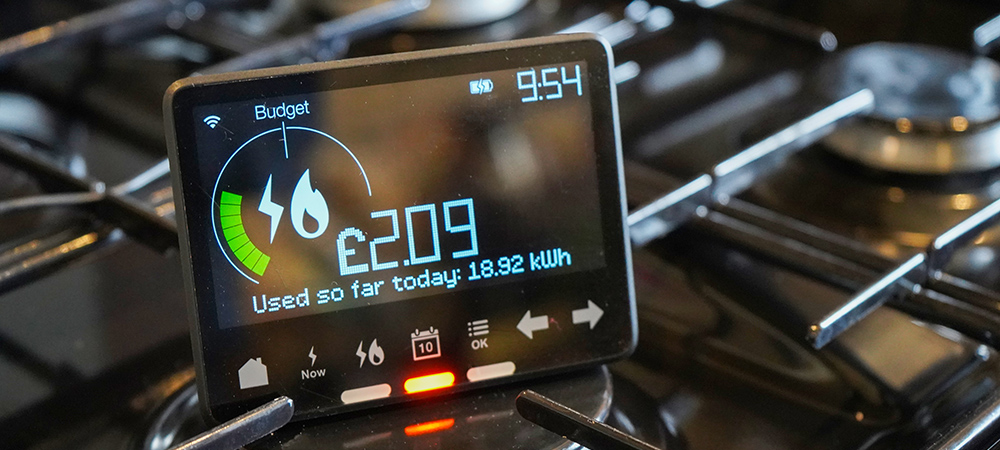
As smart meters become the intelligent backbone of modern energy infrastructure, the focus on data security intensifies. While protecting data in transit has been a priority, Katja Hakoneva, Product Manager at Tuxera, argues that the security of data stored locally on these devices is a critical and often overlooked area.
Smart meters are fast becoming the intelligence layer of modern energy infrastructure. These devices gather real-time usage data, support grid management, enable demand response, and contribute to national decarbonisation targets. But while attention has largely focused on protecting the transmission of this data, the security of the data stored locally remains under-addressed.
Each smart meter holds sensitive logs of energy usage, firmware records, and grid activity stored in embedded flash memory. These devices are deployed in the field for up to 15 to 20 years, exposed to both physical threats and remote exploitation. If local storage is compromised whether by physical tampering, firmware manipulation, or latent memory failures, it can lead to serious implications, including billing errors, compliance violations, and in extreme cases, broader grid instability.
In this context, embedded storage is a frontline in cybersecurity defense.
From silent threats to real-world risk
Unlike transmission vulnerabilities that trigger alarms or fail visibly, breaches at the storage level often run in the background. If an attacker gains access to a meter’s memory, they could alter logs, suppress alerts, or inject malicious code into firmware without being detected. These intrusions can mislead utility analytics, delay incident response, and result in misbilling that undermines trust between providers and consumers.
What makes these threats even more serious is their delayed visibility. Anomalies in billing, diagnostics inconsistencies, or firmware irregularities may take months to emerge. By the time they do, the attack has already caused operational and reputational damage.
For utilities and OEMs, the challenge lies in designing systems that can prevent, detect, and recover from these threats at the firmware and storage level without relying solely on perimeter defense or cloud-based monitoring.
A shifting regulatory landscape
The urgency to secure smart meters is being accelerated by new regulation. The EU’s Cyber Resilience Act (CRA), due to take effect in 2027, will require digital products to be secure by design. That includes embedded devices like smart meters. Compliance will become a prerequisite for CE marking and market entry.
Under the CRA, vendors must demonstrate:
● No known vulnerabilities at launch
● Default secure configurations
● Long-term vulnerability management and patch support
● Full documentation of security features across the product lifecycle
Similar standards are being adopted outside the EU as well, including the U.S. Cyber Trust Mark, NIST 800-53, and sector-specific frameworks like IEC 62443 for industrial control systems.
For device manufacturers, these regulations add pressure to embed cybersecurity into the firmware, storage systems, and update mechanisms of smart meters from day one, not just as an afterthought.
Smart meter data: Building in protection where it matters most
Robust smart meter security starts with securing the data that lives inside the device. That means protecting:
● Confidentiality: Ensuring that sensitive usage and diagnostic data cannot be read or extracted without authorization. This includes encrypting both stored data and encryption keys, and limiting access to device memory.
● Integrity: Guaranteeing that stored data is not altered or lost. This is critical in environments prone to frequent power interruptions, which can cause silent memory corruption if not managed by a fail-safe file system.
● Authenticity: Ensuring that firmware and data updates originate from trusted sources, through digital signing and validation processes.
Together, these three pillars ensure smart meters remain trustworthy, reliable, and compliant throughout their entire operational life.
Engineering resilience into the embedded layer
Achieving this level of protection requires more than just adding encryption. It calls for embedded software that’s designed to operate reliably under stress, handling frequent writes, sudden power loss, and constrained memory resources.
Flash-optimised, transactional file systems play a key role here. These systems use copy-on-write methods to preserve data integrity, even if a write operation is interrupted. They also include wear leveling algorithms to evenly distribute memory usage and prevent premature failure.
Some modern embedded file systems can maintain 100% data accuracy through more than 15,000 hard power cycles, recovering in milliseconds without manual intervention or journal replays. This resilience is vital for meters deployed in remote or unstable grid environments.
Moreover, these systems are designed for low-footprint devices, operating with as little as 4 KB of RAM and 11 KB of ROM making them ideal for meters running on real-time operating systems (RTOS) or custom embedded stacks.
Anticipating tomorrow’s threat landscape
Smart meters deployed today will likely still be operating in the 2040s. By then, emerging technologies like quantum computing could make current encryption standards obsolete. Preparing for this requires cryptographic agility, the ability to adapt and update security algorithms over time.
Equally important is ensuring that vendors can provide a transparent Software Bill of Materials (SBOM) and maintain secure update mechanisms. This improves supply chain security and supports lifecycle patching as new vulnerabilities emerge.
Utilities and manufacturers alike must also define incident response playbooks tailored to embedded device breaches, since traditional IT approaches don’t translate well to smart meters in the field.
Storage resilience as a market differentiator
Meeting these demands isn’t just about ticking compliance boxes. Utilities are increasingly including resilience, data integrity, and lifecycle security support in their procurement criteria. Devices that can withstand wear, power failure, and cyberattacks over decades stand out in vendor evaluations.
Smart meters that fail early due to flash corruption or insecure update paths raise operational costs but importantly, damage brand credibility. On the other hand, meters that continue delivering clean, verifiable data for 20+ years support sustainability targets, lower carbon impact, and reduce maintenance costs.
As grid modernisation deepens and ESG accountability rises, secure-by-design storage is becoming a new benchmark for trust and long-term ROI.
Securing smart infrastructure from the core
The digital transformation of energy infrastructure has brought immense benefits, but it also expands the threat surface. As grid-connected devices like smart meters proliferate, embedded storage is becoming a critical security concern.
To protect consumer data, maintain billing integrity, and comply with regulation, storage systems must be engineered with confidentiality, integrity, and authenticity in mind. That means using software designed for real-world grid conditions, not retrofitting enterprise models onto constrained devices.
By building resilience into the storage layer, smart meter vendors can go beyond the perimeter and secure their devices at the core. In doing so, they’ll meet regulatory demands, reduce operational risk, and strengthen trust with utilities and end users alike.

